You can have beautiful architecture, exceptional materials, and perfectly considered furniture - and still walk into the finished space and feel that something is missing.
Often, the culprit is lighting.
Not because there isn't enough of it.
But because lighting was treated as something to add to the design, rather than something that helps shape the experience of it.
The ceiling problem
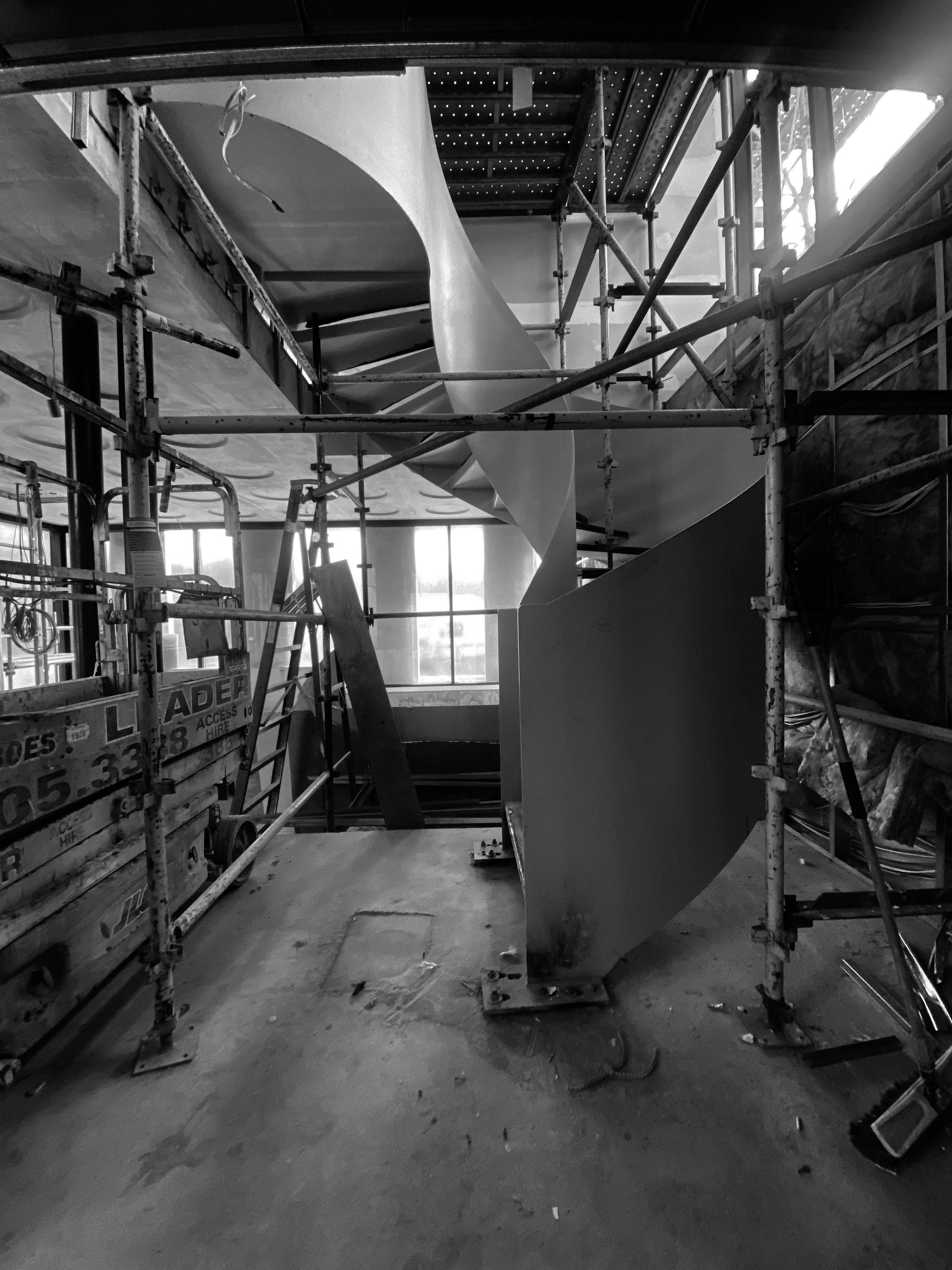
By the time lighting enters the conversation, the ceiling is often already working against the design.
Rows of downlights.
Compromised details.
Visible services.
Awkward fixture locations.
Missed opportunities for integrated light.
The problem isn't simply that the lighting might look less refined.
Late lighting decisions can force compromises throughout the architecture itself.
And that leads to one of the most expensive lighting decisions you can make:
Deciding not to think about lighting yet.
The expensive fix
By the time ceilings are fixed, joinery is designed, and services are coordinated, the project has already made hundreds of decisions.
When lighting comes in late, you're no longer creating possibilities.
You're working around decisions that have already been made.
Early lighting design creates options.
Late lighting design creates compromises.
That's why lighting belongs in the design conversation much earlier than many projects allow.
What architects are really trying to protect
The goal isn't simply "better lighting."
It's protecting the original idea.
Architects don't wake up thinking they need more sophisticated lighting.
They want the completed project to feel like the thing they imagined when the concept first took shape.
But too often, they walk into a finished space and think:
Something is missing.
Not necessarily wrong.
Not necessarily ugly.
Just... not what they imagined.
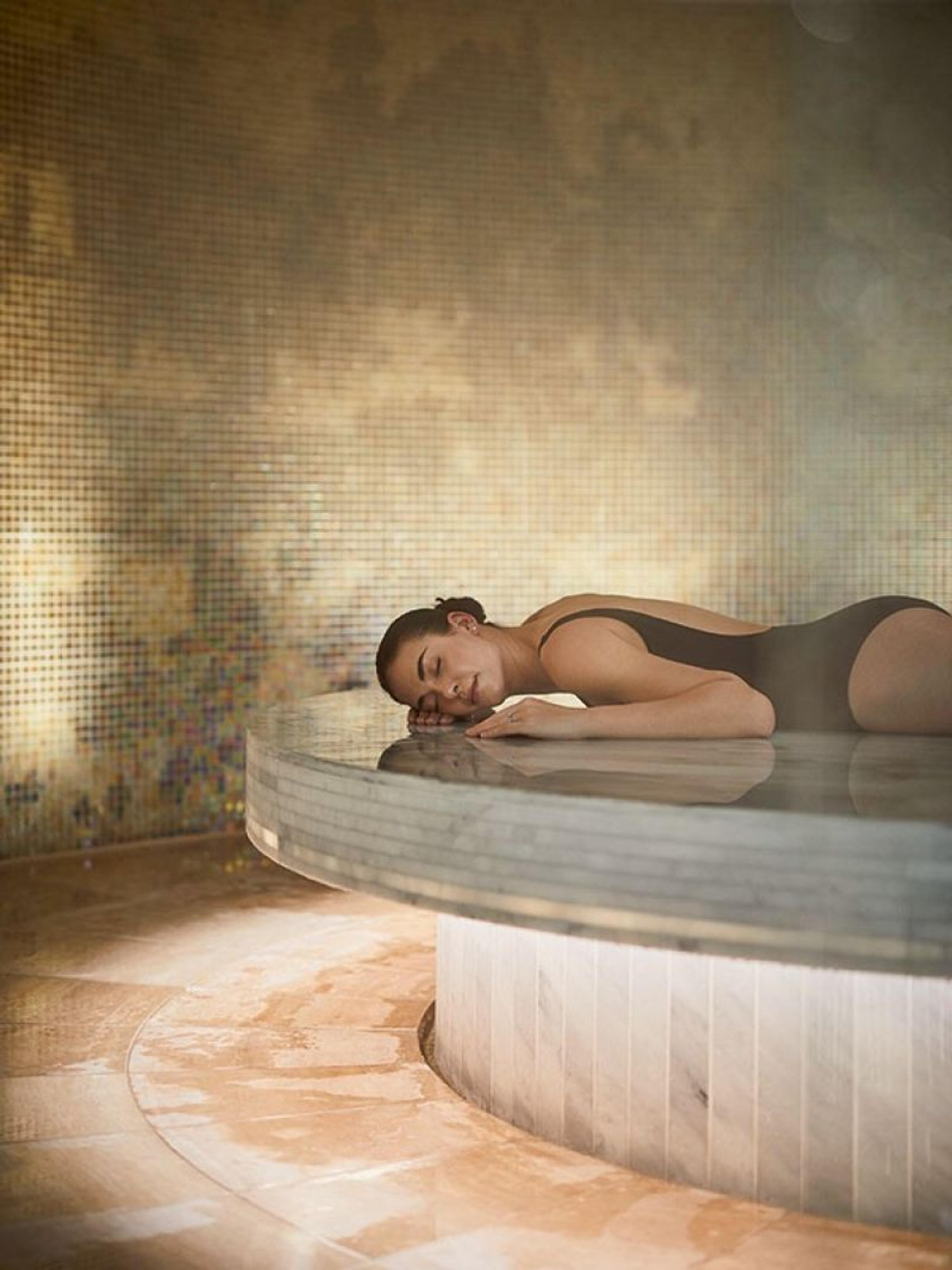
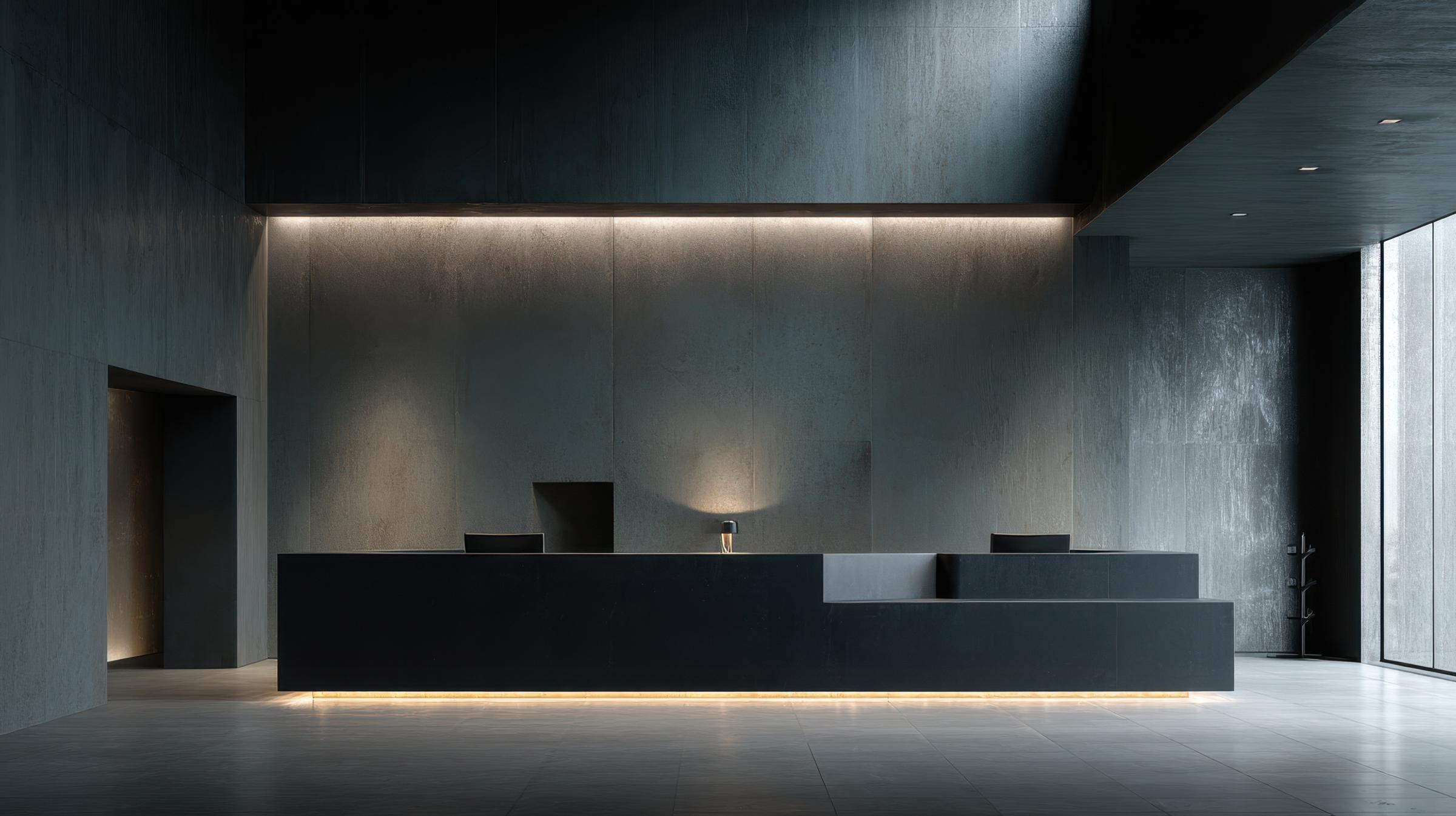
Lighting is one of the elements that turns a design into a feeling.
It can determine whether a material feels rich or flat.
Whether a focal point draws your attention or disappears.
Whether the eye understands the hierarchy of a space—or doesn't.
And when the finished experience doesn't reflect the quality of the design, it can quietly undermine the authority of the original concept.
The shift: from lighting added to lighting integrated
There is a fundamental difference between adding lighting to a project and designing with light.
Lighting added later asks:
Where can we put the fittings?
Lighting considered from concept asks:
What do we want people to experience here?
That's the shift behind theSoulSpace Method.
Instead of treating lighting as a technical layer applied after the architecture has been resolved, we bring it into the design conversation early.
Because light isn't just about visibility.
It's about emphasis.
Movement.
Atmosphere.
Material.
Hierarchy.
And, ultimately, experience.
What changes when lighting enters the room early?
The project doesn't necessarily end up with more fixtures.
It ends up with more intention.
Early lighting integration allows the design team to influence:
- where light can be integrated
- which architectural elements deserve emphasis
- how people move through the space
- how materials respond to light
- where darkness is needed
- what the eye notices first
- how the space feels at different moments
The result isn't more lighting.
It's more considered lighting.
And that distinction matters.
The finished project test
There's a simple test I believe every design should pass:
When someone walks into the finished space, does it feel like the idea everyone believed in at the beginning?
Not whether the drawings looked beautiful.
Not whether the fixture schedule was completed.
Not whether every calculation was correct.
But whether thefinished experience lives up to the original vision.
That's what good lighting can help protect.
Because a great design deserves to feel as good in real life as it did in your imagination.
About the SoulSpace Method
The SoulSpace Method brings lighting into the design conversation early, so the finished space feels as considered as the concept that inspired it.
We work with architects and designers across boutique hospitality, premium residential, and mixed-use projects - from concept through to handover.
If you're planning a project where the experience needs to match the vision, that's what we do.